Advanced maintenance for camper experts
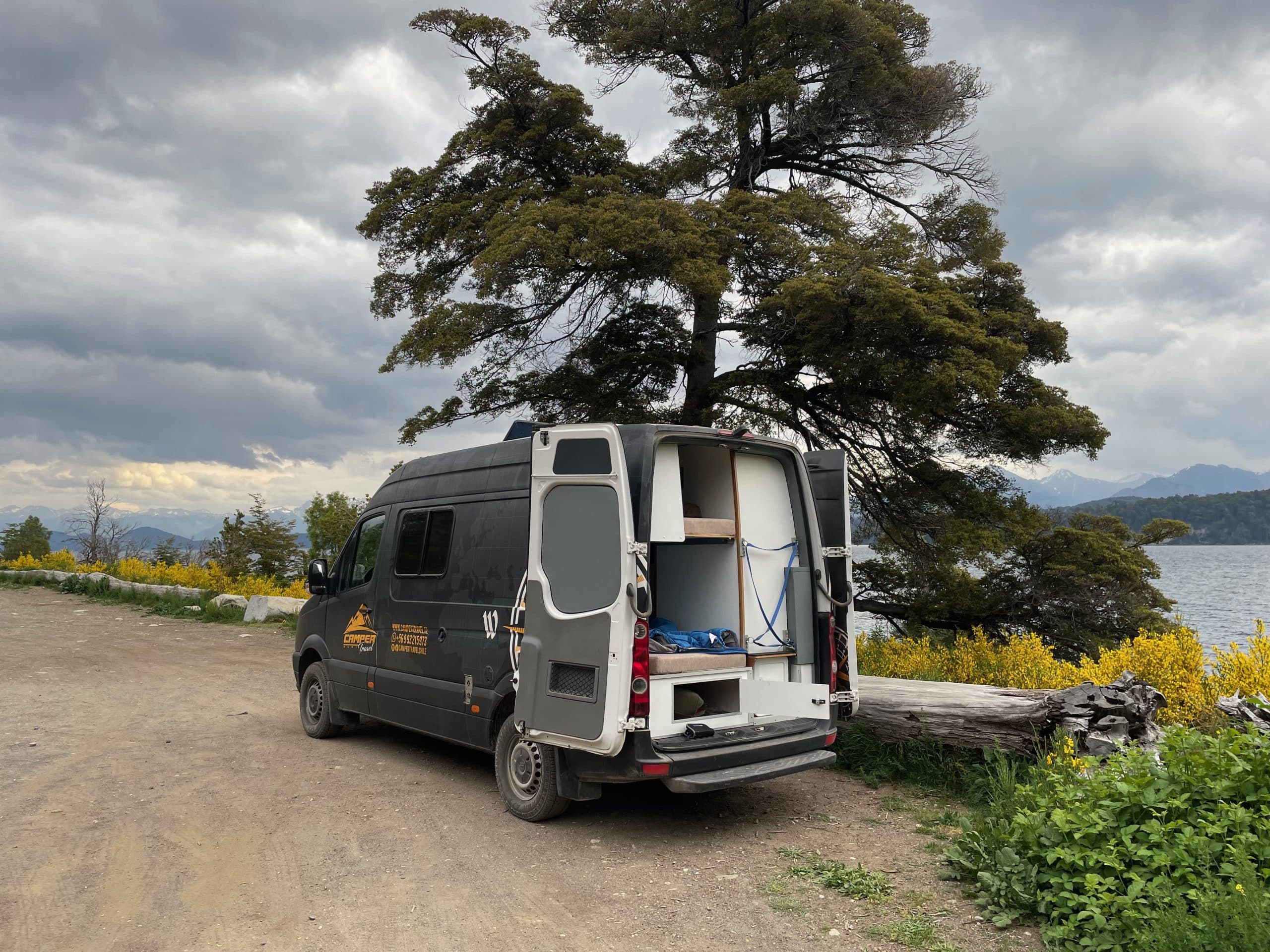
The camper world can be as simple or sophisticated as the user decides, and for true enthusiasts who have embraced this way of life as more than just a fad, advanced maintenance is key. Not only does it extend the life of the vehicle, but it ensures maximum efficiency and comfort on every trip. If you've already mastered the basics, it's time to delve into the more technical aspects of camper maintenance.
Electrical system: optimization and preventive diagnosis
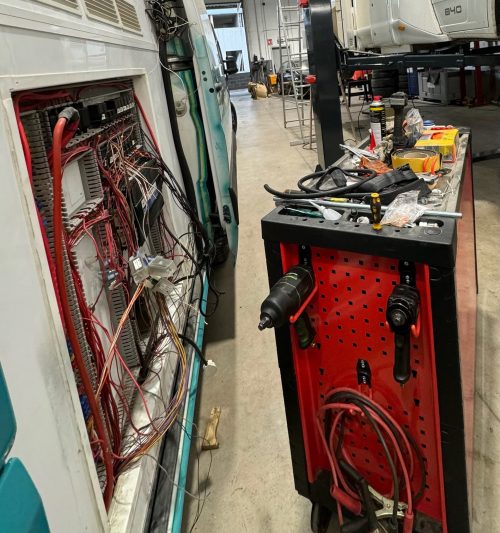
• Batteries and solar panels: Inspect the actual capacity of lithium or AGM batteries and verify that solar panels are generating the expected amount of power. Use a multimeter to check connections and avoid voltage drops due to faulty wiring.
• Upgrades: If your camper is a few years old, consider investing in an MPPT system to improve solar charging efficiency and replace old inverters with more modern, lower-consumption models.
Water systems: deep maintenance
• Tanks and pipes: Clean drinking water tanks with specialized tablets to eliminate bacteria and biofilm. Inspect pipes and joints for microcracks that can cause leaks over time.
• Water pumps: Make sure the pump is working efficiently. If you notice pressure drops, remove and clean the internal filters.
Engine and Chassis Maintenance
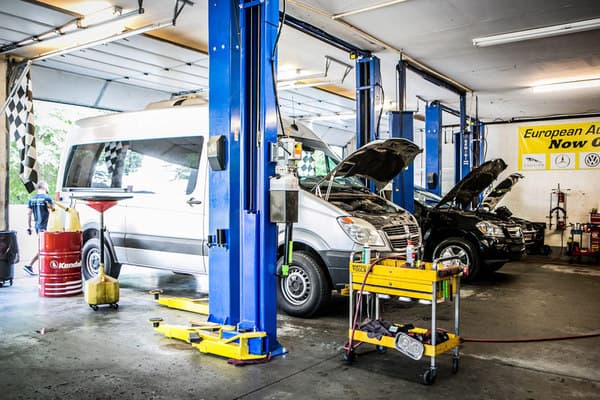
Although it may seem obvious, camper owners tend to focus on the “living” area and forget that advanced engine maintenance is crucial:
• Engine Reprogramming: To optimize fuel consumption, consider reprogramming the ECU (Electronic Control Unit). This should be done in specialized and legal workshops.
• Suspension: If you drive on rough terrain, invest in reinforced or pneumatic suspensions to ensure vehicle stability.
• Advanced Periodic Inspections: Perform engine oil analysis to detect internal wear or contamination before serious failures occur.
Insulation and Thermal Control
• Extra Insulation: Even if your camper is already insulated, check weak spots such as door and window seals where heat can escape in winter or enter in summer.
• Climate Control: If you live in your camper for long periods, consider installing more efficient air conditioning or stationary heating systems, such as diesel or heat pump models.
Technology and Connectivity
• Camper Automation: Automate systems like lighting, temperature control, or water level monitoring using apps and IoT (Internet of Things) devices. There are integrated systems that can be managed from your smartphone.
• Antennas and Routers: Improve your internet connection with portable routers or amplified signal antennas to work remotely from anywhere.
Material and Accessories Inspection
• Bodywork and Seals: Inspect the bodywork for rust or cracks and apply high-quality sealants to prevent water leaks.
• Accessories: Check the opening and closing mechanisms of awnings or ladders to ensure they are free of corrosion and function properly.
Planning and Spare Parts
• Advanced Tool Kit: In addition to the basics, include tools such as a heat gun, cordless drill, and electrical tester for on-the-go repairs.
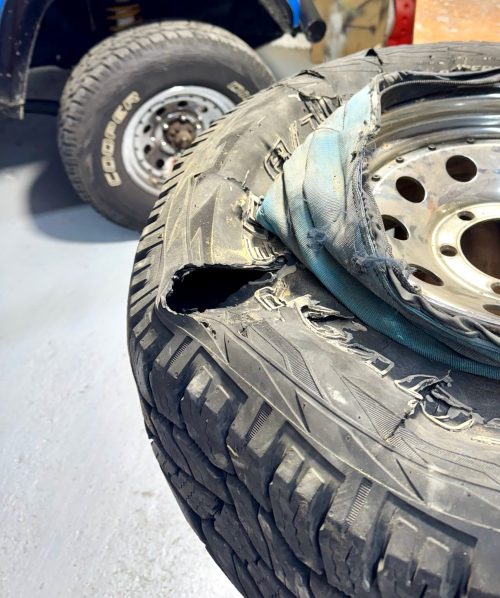
• Essential Spare Parts: Keep an inventory of belts, fuses, filters, and gaskets specific to your camper model. These parts may not always be easy to find in remote areas.
Advanced maintenance not only ensures your camper is ready for any adventure but also allows you to personalize and optimize it according to your needs. Taking the time to thoroughly understand each component of your vehicle and upgrading it as technology evolves will guarantee you an unparalleled travel experience.
Remember, in the end, every investment in maintenance is an investment in your peace of mind and comfort. Your camper is your home on wheels—treat it as such!